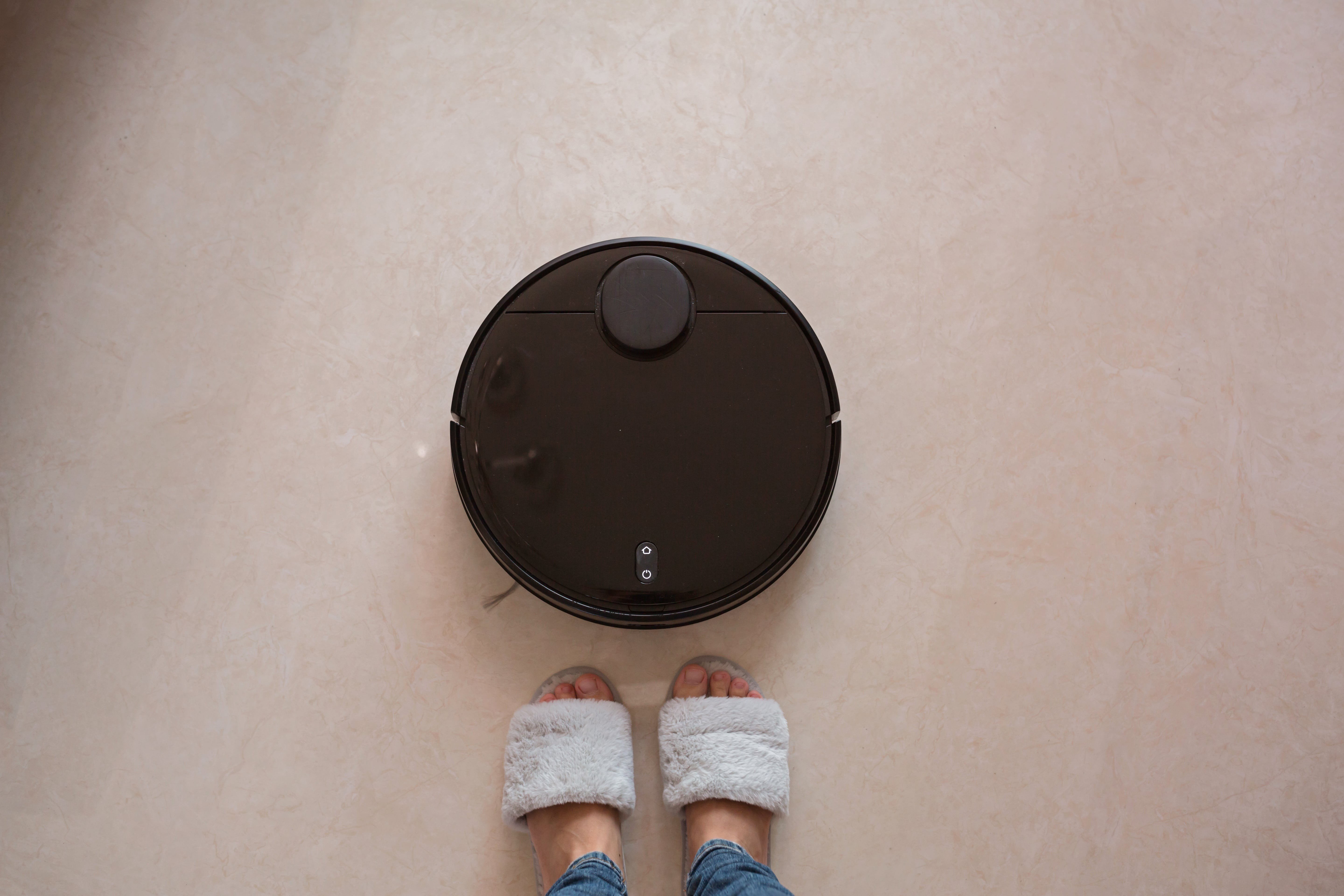
The Rise of Robotic Vacuums: Transforming Home Cleaning
In the contemporary age, convenience plays an essential role in the method we manage our families. One of the most considerable developments that have actually revolutionized home cleaning is the robotic vacuum. These autonomous devices have gotten enormous appeal for their ability to navigate through homes, getting particles and dust with minimal human intervention. Stella Mullen provides a thorough take a look at robotic vacuums, their features, advantages, and considerations for potential buyers.
Comprehending Robotic Vacuums
A robotic vacuum is a compact, self-operating cleaning device created to autonomously clean floorings. Running within a pre-programmed pattern or path, they use different sensing units to browse their surroundings, preventing obstacles and efficiently covering floor space. Robotic vacuums can be found in numerous models, each catering to various cleaning needs and environments.
Secret Features of Robotic Vacuums
| Feature | Description |
|---|---|
| Navigation System | Makes use of sensors (like LIDAR, infrared, and electronic cameras) to map and browse a space. |
| Suction Power | Varies between designs; necessary for efficient cleaning on different surfaces. |
| Battery Life | Period the vacuum can operate before needing a recharge, normally varies from 60 to 120 minutes. |
| Dustbin Capacity | Size of the dust bin, influencing how frequently it requires to be emptied, usually ranges from 0.3 to 1 liter. |
| Smart Features | Consists of scheduling, smart device integration, and voice command compatibility with devices like Amazon Alexa or Google Assistant. |
| Height and Design | Impacts the ability to fit under furniture; most robotic vacuums are around 3-4 inches high. |
Advantages of Using Robotic Vacuums
Robotic vacuums offer a myriad of advantages, enhancing the lifestyle for users. Here are some of the essential benefits:
- Time-Saving: By automating the cleaning process, users can maximize time for other crucial activities.
- Consistency: Robotic vacuums supply regular cleaning schedules to keep tidiness, decreasing dust accumulation.
- Accessibility: They can quickly access tight areas under furnishings where standard vacuums might have a hard time.
- Advanced Technology: Most modern-day models come equipped with cutting-edge navigation and cleaning innovations for effective operation.
- User-Friendly: With mobile apps and voice controls, running robotic vacuums has never ever been much easier.
- Remote Monitoring: Many models allow users to monitor cleaning progress and change settings remotely.
Considerations Before Purchase
While robotic vacuums can considerably improve home cleaning, possible purchasers should know their restrictions and crucial considerations:
- Cost: Robotic vacuums can differ commonly in price, from budget friendly choices to high-end designs with sophisticated features.
- Cleaning Power: While effective for light particles, they might have a hard time with heavy dirt or carpets compared to traditional vacuums.
- Upkeep: Regular cleaning of the gadget itself (e.g., clearing dust bins, changing filters) is vital for optimal efficiency.
- Home Layout: Homes with intricate layouts or great deals of obstacles may require models with sophisticated navigation technology.
- Battery Life: Consider the size of your home and whether the vacuum can finish its cleaning cycle without needing a recharge.
Popular Robotic Vacuum Models
Numerous designs have actually emerged on the market, each offering unique features and capabilities. Here's a take a look at a few of the most popular robotic vacuums in 2023:
| Model | Key Features | Cost Range |
|---|---|---|
| Roomba s9+ | Excellent suction power, self-emptying | ₤ 999 - ₤ 1,199 |
| Roborock S7 | Mopping capability, wise mapping | ₤ 649 - ₤ 749 |
| Eufy RoboVac 11S | Budget-friendly, slim design | ₤ 199 - ₤ 299 |
| Neato D8 | Unique D-shape for corners, strong suction | ₤ 499 - ₤ 599 |
| Dyson 360 Heurist | Advanced mapping, powerful cleaning | ₤ 999 - ₤ 1,200 |
Regularly Asked Questions (FAQs)
Q1: How do robotic vacuums work?
Robotic vacuums utilize sensing units and mapping innovations to browse and clean floors. They frequently have pre-set schedules and can go back to their docking stations to recharge when needed.
Q2: Do robotic vacuums clean successfully on carpets?
High-end robotic vacuums with strong suction abilities are developed to work on carpets. Nevertheless, for deep cleaning, a standard vacuum might still be needed regularly.
Q3: How often should I utilize a robotic vacuum?
Many users find that running their robotic vacuum every day or every other day keeps their spaces tidy and manageable.
Q4: Can robotic vacuums be used on multiple surfaces?
Yes, many robotic vacuums are created to transition seamlessly between floors, carpets, tiles, and woods.
Q5: Are robotic vacuums loud?
Normally, robotic vacuums operate at a lower noise level compared to traditional vacuums. Noise levels can differ by design, so looking at user reviews may assist identify what to expect.
Q6: Is a robotic vacuum worth the financial investment?
This depends upon your lifestyle and cleaning habits. For busy homes or those seeking benefit, the financial investment in a robotic vacuum can substantially enhance cleaning efficiency.
As technology continues to progress, the vacuum market is increasingly embracing the benefit and innovation of robotic cleaning services. Robotic vacuums not only ease users of regular cleaning tasks but likewise offer innovative features intended at making cleaning effective and uncomplicated. Whether you are a veteran admirer of tech gizmos or just seeking a way to maintain tidy floors with minimal effort, a robotic vacuum might show to be a worthy financial investment for your home.